

Introduction to Setting Up Your Shopify Account
Welcome to the comprehensive guide to setting up your Shopify account. Whether you are a novice to eCommerce or an experienced retailer looking to expand online, this guide will walk you through each step of creating and customizing your Shopify store. We’ll ensure that your journey from zero to a fully functioning online store is as smooth as possible.
Creating Your Shopify Account
The first step towards launching your online store is creating a Shopify account. Begin by visiting the Shopify website and clicking on the “Start Free Trial” button. You will need to provide some basic information such as your email address, password, and the name of your store. Once you fill in these details, click “Create Your Store” to proceed.
After creating your account, Shopify will prompt you for additional details about your business. You will need to provide your name, your physical address (for billing purposes), and a brief description of your business. It is important to be as accurate and complete as possible to ensure a smoother setup process.
Setting Up Your Store Preferences
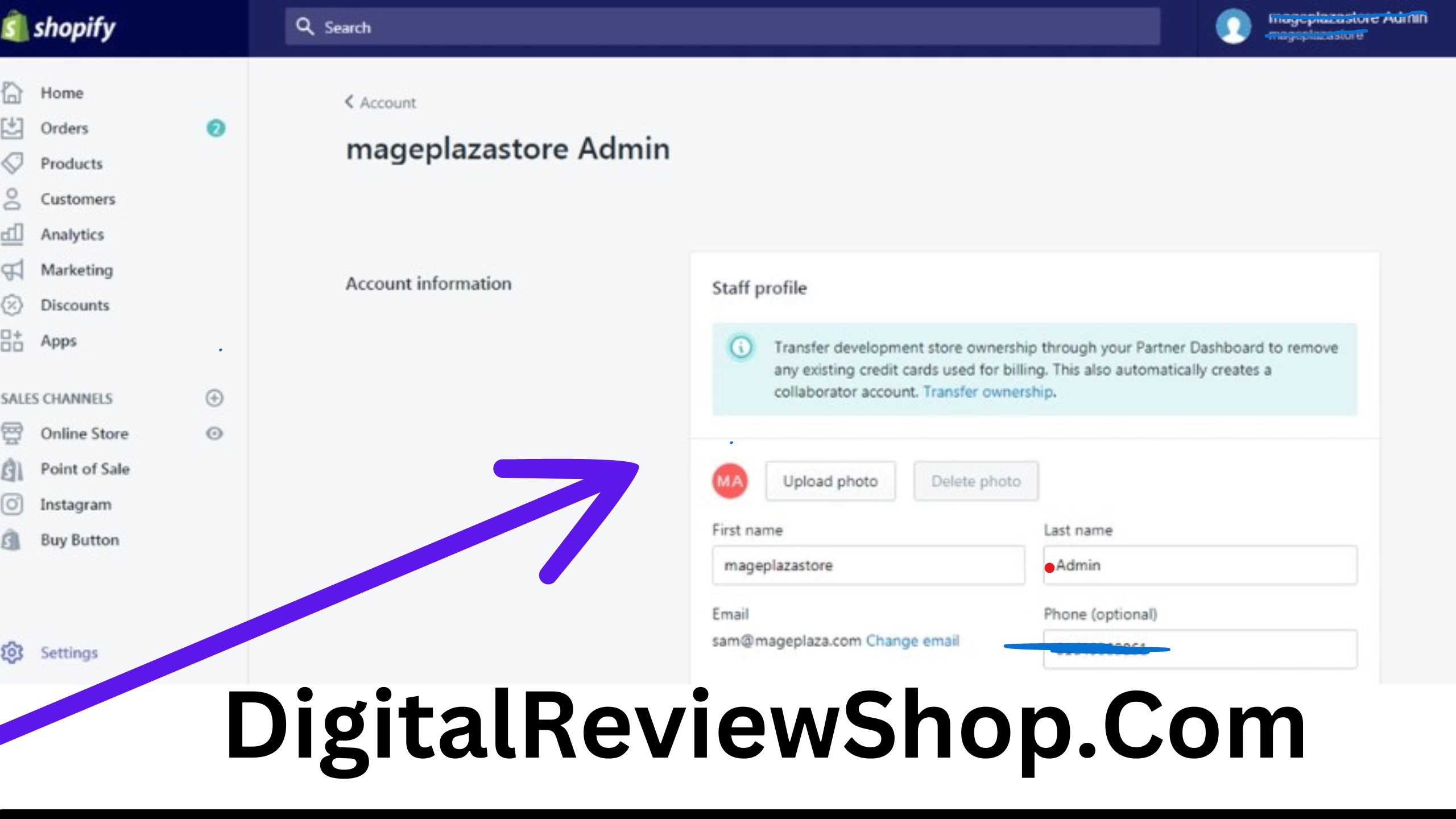
Once your account is created, it’s time to set up your store preferences. Navigate to the “Settings” menu on the left-hand side of your Shopify dashboard. Here, you can configure various aspects of your store, such as:
- General Settings: Update your store name, contact details, and address.
- Payment Providers: Choose the payment methods you will accept, such as credit cards, PayPal, and other third-party payment solutions.
- Checkout Settings: Customize the checkout process to streamline the experience for your customers.
- Shipping Settings: Configure shipping rates, zones, and methods based on your preference.
- Taxes: Set up tax rates applicable to your store based on your location and the regions you will be selling to.
- Notifications: Set up email notifications for orders, shipping, and other transactional activities.
Designing Your Store
A visually appealing store is crucial for attracting and retaining customers. Shopify offers a plethora of themes to choose from, making it easy to find one that suits your brand. Go to the “Online Store” section and click on “Themes.” You can browse through free and paid themes and select one that resonates with your brand identity.
After selecting a theme, you can further customize its appearance by clicking the “Customize” button. This will open the theme editor, where you can adjust layout, colors, fonts, and other visual elements to match your brand’s aesthetics. Use high-quality images and clear, concise text to create an inviting and professional storefront.
Adding Products to Your Store
With your store design in place, it’s time to add products. Navigate to the “Products” section and click on “Add Product.” Fill in the product details, including title, description, price, and inventory status. Be sure to add high-quality images and provide a detailed, engaging description that highlights the key features and benefits of your product.
Organize your products into collections to make it easier for customers to browse your offerings. For example, you can create collections based on product categories, seasons, or promotions. This enhances the shopping experience and makes it simpler for customers to find what they are looking for.
Configuring Payment Gateways
Ensuring that you have a seamless payment process is vital for customer satisfaction. Shopify supports various payment gateways, including Shopify Payments, PayPal, Stripe, and more. Navigate to “Settings” and then “Payment Providers” to set up the payment options you will offer.
For each payment provider, you will need to provide information such as your business details, bank account information, and any required documentation. Setting up multiple payment methods can increase conversion rates, as customers have more options to choose from.
Setting Up Shipping Options
Shipping is a critical component of eCommerce, and offering flexible shipping options can significantly enhance the customer experience. Go to “Settings” and then “Shipping and Delivery” to configure your shipping rates and methods. You can create different shipping zones for domestic and international orders and set rates based on factors like order value, weight, or destination.
Additionally, Shopify integrates with several shipping carriers, such as UPS, FedEx, and DHL. You can enable carrier-calculated shipping to provide real-time shipping rates directly from these carriers, ensuring accurate and transparent shipping costs for your customers.
Customizing the Checkout Experience
The checkout process is the final step in the customer’s journey, and optimizing it can minimize cart abandonment rates. In the “Settings” menu, navigate to “Checkout” to customize the checkout experience. You can enable or disable features such as guest checkout, require phone numbers at checkout, or add custom scripts for tracking and analytics.
Consider enabling an “Express Checkout” option, which allows customers to use accelerated checkout methods like Apple Pay, Google Pay, or Shop Pay. Simplifying the checkout process can lead to higher conversion rates and a more satisfying shopping experience.
Launching Your Store
With everything set up, it’s time to launch your store. Before going live, thoroughly review your store to ensure that all elements are in place and functioning correctly. Test the checkout process, verify shipping rates, and review product pages for accuracy.
Once you’re confident everything is ready, remove any password protection on your store by going to “Online Store” and selecting “Preferences.” Scroll down to the “Password Protection” section and disable it. Congratulations! Your Shopify store is now live and ready to start receiving orders.
Marketing Your Shopify Store
Now that your store is live, it’s essential to drive traffic and attract customers. Shopify offers numerous marketing tools and integrations to help you promote your store. Consider the following strategies:
- Search Engine Optimization (SEO): Optimize your product pages, blog content, and meta descriptions to improve your store’s visibility on search engines.
- Social Media Marketing: Leverage platforms like Facebook, Instagram, and Twitter to reach a broader audience and engage with potential customers.
- Email Marketing: Build an email list and send regular newsletters, promotions, and updates to keep your audience engaged.
- Paid Advertising: Utilize Google Ads, Facebook Ads, and other online advertising platforms to drive targeted traffic to your store.
- Content Marketing: Create valuable and informative content related to your products or industry to attract and retain customers.
Analyzing Store Performance
To ensure continuous improvement, it’s crucial to analyze your store’s performance regularly. Shopify provides detailed analytics and reporting tools to track key metrics such as sales, traffic, conversion rates, and customer behavior. Access these insights by navigating to the “Analytics” section on your Shopify dashboard.
Use the data to identify trends, understand customer preferences, and make informed decisions to optimize your store’s performance. Regularly reviewing and adjusting your strategies based on analytics can drive long-term success and growth for your eCommerce business.
Providing Exceptional Customer Support
Offering excellent customer support is vital for building trust and loyalty with your customers. Shopify provides several tools to help you manage customer inquiries and issues efficiently. Utilize features such as live chat, email support, and a comprehensive FAQ section to address customer concerns promptly.
Consider integrating third-party customer support apps to enhance your support capabilities. Providing timely and helpful responses to customer inquiries can significantly impact customer satisfaction and retention.
Regular Store Maintenance and Updates
Maintaining your store’s functionality and keeping it up to date is essential for a seamless customer experience. Regularly review and update your product listings, prices, and inventory to ensure accuracy. Additionally, keep an eye on Shopify updates and new features to leverage the latest tools and improvements.
Perform routine checks on your website’s performance, including page load times, mobile responsiveness, and security measures. Ensuring a smooth and secure shopping experience can enhance customer trust and loyalty.
Conclusion
Setting up a Shopify account is the first step towards building a successful online store. By following this comprehensive guide, you can create a professional and fully functional eCommerce site that attracts and retains customers. From account creation to product listing, payment configuration, and marketing strategies, each step plays a crucial role in your store’s success.
Invest time and effort into optimizing each aspect of your Shopify store, and you’ll be well on your way to achieving your eCommerce goals. Happy selling!




Reviews
There are no reviews yet.